

- Teacher (A): Sanna Garam
Category: Peppi-integraatio






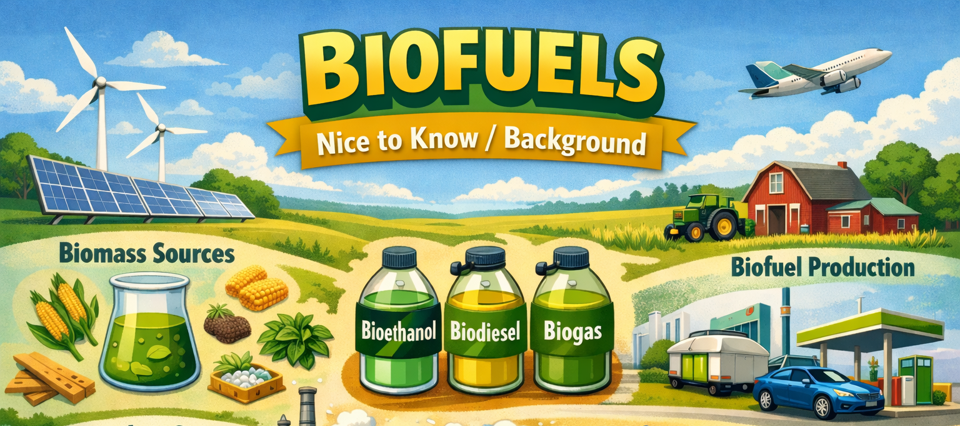
Liquid or gaseous transport fuels, such as biodiesel and bioethanol, made from biomass are considered on the Biofuels course. These type of fuels serve as a renewable alternatives to fossil fuels in the EU's transport sector, helping to reduce greenhouse gas emissions and secure supply availability in the EU. By 2030, the EU aims to increase the share of renewable energy in transport to at least 14%, including a minimum share of 3.5% of advanced biofuels. EU countries are required to set out an obligation for fuel suppliers that ensures the achievement of this target.
Biofuels Course Contents (5 ECTS):
a. Setting the scene: fuels today (liquid, solid, gaseous, applications, sustainability, fuel properties/standards, emissions), oil refinery vs. biofuels.
b. Introduction to biofuels: common biofuels, sustainability, application, biofuel properties, benefit and disadvantages.
c. Biomass chemistry: lignocellulose, fats and lipids, sugars composition, key reactions, chemistry of biomass conversion and catalysis.
d. Biofuel processes: general overview of processes, platform chemicals.
e. Biomass monomer production and pre-treatment: methods, sugar conversion to ethanol, non-sugar monomers derived from lignin and conversion to , triglyceride upgrading, fame, HDO, Processes, product properties and applications .
f. Gasification: chemistry, reaction pathways, reactors, gas conditioning.
g. Synthesis gas: reactions, hydrogen production, methanol process, Fisher-Tropsch synthesis (reactions and products, catalysts, reactors).
h. Bio-oils production and upgrading: introduction to biomass pyrolysis and liquefaction, typical products and their properties, reactors and processes, upgrading of bio-oil (hydrotreating and other techniques).

Liquid or gaseous transport fuels, such as biodiesel and bioethanol, made from biomass are considered on the Biofuels course. These type of fuels serve as a renewable alternatives to fossil fuels in the EU's transport sector, helping to reduce greenhouse gas emissions and secure supply availability in the EU. By 2030, the EU aims to increase the share of renewable energy in transport to at least 14%, including a minimum share of 3.5% of advanced biofuels. EU countries are required to set out an obligation for fuel suppliers that ensures the achievement of this target.
Biofuels Course Contents (5 ECTS):
a. Setting the scene: fuels today (liquid, solid, gaseous, applications, sustainability, fuel properties/standards, emissions), oil refinery vs. biofuels.
b. Introduction to biofuels: common biofuels, sustainability, application, biofuel properties, benefit and disadvantages.
c. Biomass chemistry: lignocellulose, fats and lipids, sugars composition, key reactions, chemistry of biomass conversion and catalysis.
d. Biofuel processes: general overview of processes, platform chemicals.
e. Biomass monomer production and pre-treatment: methods, sugar conversion to ethanol, non-sugar monomers derived from lignin and conversion to , triglyceride upgrading, fame, HDO, Processes, product properties and applications .
f. Gasification: chemistry, reaction pathways, reactors, gas conditioning.
g. Synthesis gas: reactions, hydrogen production, methanol process, Fisher-Tropsch synthesis (reactions and products, catalysts, reactors).
h. Bio-oils production and upgrading: introduction to biomass pyrolysis and liquefaction, typical products and their properties, reactors and processes, upgrading of bio-oil (hydrotreating and other techniques).


TT00GY44-3001
TT00GY44-3002
TT00GY44-3003
TT00GY44-3004
Access to the course requires that you have been enrolled in one of the implementations listed above, and you must be logged in to Moodle using your Metropolia user account (not Haka).




This course teaches you how to design and produce virtual spaces and environments for virtual reality, metaverse platforms and virtual production. Design part explains the classical design practices used eg. in architecture, interior architecture, landscape architecture, spatial art and installations. Differences between virtual world and real world design is also discussed. Production part teaches you how the designs are realized using 3D software and game engine and published for metaverse platform. As a coursework you design and produce your own virtual space or environment and publish it.
Virtuaalimaailmat sekä lohkoketjuihin perustuvat palvelut ja organisaatiot luovat uusia toimintatapoja ja ansaintamalleja luoville aloille. Web3-ajan toimintamallit vaativat uudenlaista digitaalista osaamista, jotnka kehittämiseen tämnä opintokokonaisuus tähtää. Olennaisia alueita ovat lohkoketjuteknologian hyödyntäminen kulttuurialalla ja virtuaaliyhteisöjen aktivointi. Näiden pohjalta rakennetaan Digitaalisten web3 palveluiden monetisointisuunnitelma.


This course introduces you to the exciting and rapidly evolving world of cybersecurity, where you will learn how to monitor, detect, and respond to cyber threats. By the end of this course, you will be prepared to take the Cisco Certified CyberOps Associate certification, positioning yourself for roles in Security Operations Centers (SOC) and other cybersecurity-focused environments.
During this course, you will develop the foundational knowledge and practical skills required to work as a SOC Analyst. You will gain hands-on experience in:
You will become familiar with essential cybersecurity concepts, including:
Cybersecurity is one of the fastest-growing fields, offering abundant career opportunities across all industries. Through this course, you will gain the knowledge, hands-on skills, and confidence to face real-world cyber challenges and contribute effectively as part of a SOC team.
Let’s begin this journey to outsmart cyber adversaries and become the next cybersecurity defender!
TT00GZ32-3001
TT00GZ32-3002
TT00GZ32-3003
Access to the course requires that you have been enrolled in one of the implementations listed above, and you must be logged in to Moodle using your Metropolia user account (not Haka).
TX00FK26-3027
TX00FK26-3031
TX00FK26-3032
Access to the course requires that you have been enrolled in one of the implementations listed above, and you must be logged in to Moodle using your Metropolia user account (not Haka).








Digipainaminen ja prepress -kurssin tavoitteena on antaa perustiedot painokelpoisen aineiston vaatimuksista ja tuotannosta, käydä läpi tuotantoprosessin vaiheet ennen painoa ja tutustua syvällisemmin digitaaliseen painamiseen. Tavoitteena on, että kurssin jälkeen opiskelija ymmärtää prepress-prosessin vaiheet ja vaatimukset, sekä osaa soveltaa näitä aineistotuotantoon.
Kurssiavain löytyy Painovoimaa!-hankkeen nettisivuilta.

Kurssilla tutustutaan korkeakouluopetuksen verkkopedagogiikan perusperiaatteisiin sekä Moodlen pedagogiseen käyttöön. Kurssia kannattaa ajatella käsikirjana, josta opettaja saa sekä teoreettisen ymmärryksen laadukkaasta verkko-opetuksesta että konkreettisia esimerkkejä ja malleja oman opetuksen kehittämiseen. Varaa aikaa ja hotki sisältö kerralla, tai palaa tarpeen mukaan takaisin.
Kurssi keskittyy erityisesti automatisoituihin verkkokursseihin: miten opiskelijoita voidaan aktivoida, ohjata ja arvioida silloin, kun opettajan ja opiskelijoiden välinen reaaliaikainen kontakti on vähäistä. Kurssilla harjoitellaan Moodlen eri tehtävätyyppien ja työkalujen tarkoituksenmukaista käyttöä erilaisissa oppimistilanteissa. Kurssin opit ovat kuitenkin täysin sovellettavissa myös silloin, kun Moodlea käytetään osana muuta kurssia tai opintojaksoa (monimuotototeutus, sisältäen lähi- tai etäopetusta) tai vain materiaalipankkina kurssin ohella.



TT00GZ93-3001
TT00GZ93-3002
TT00GZ93-3003
Kurssille pääsy vaati, että sinut on viety jollekin yllä olevista toteutuksista ja sinun täytyy olla kirjautuneena Moodleen Metropolian käyttäjätunnuksella (Ei Haka).


Tervetuloa Digiturvastartti-kurssille!
Tervetuloa kurssille!
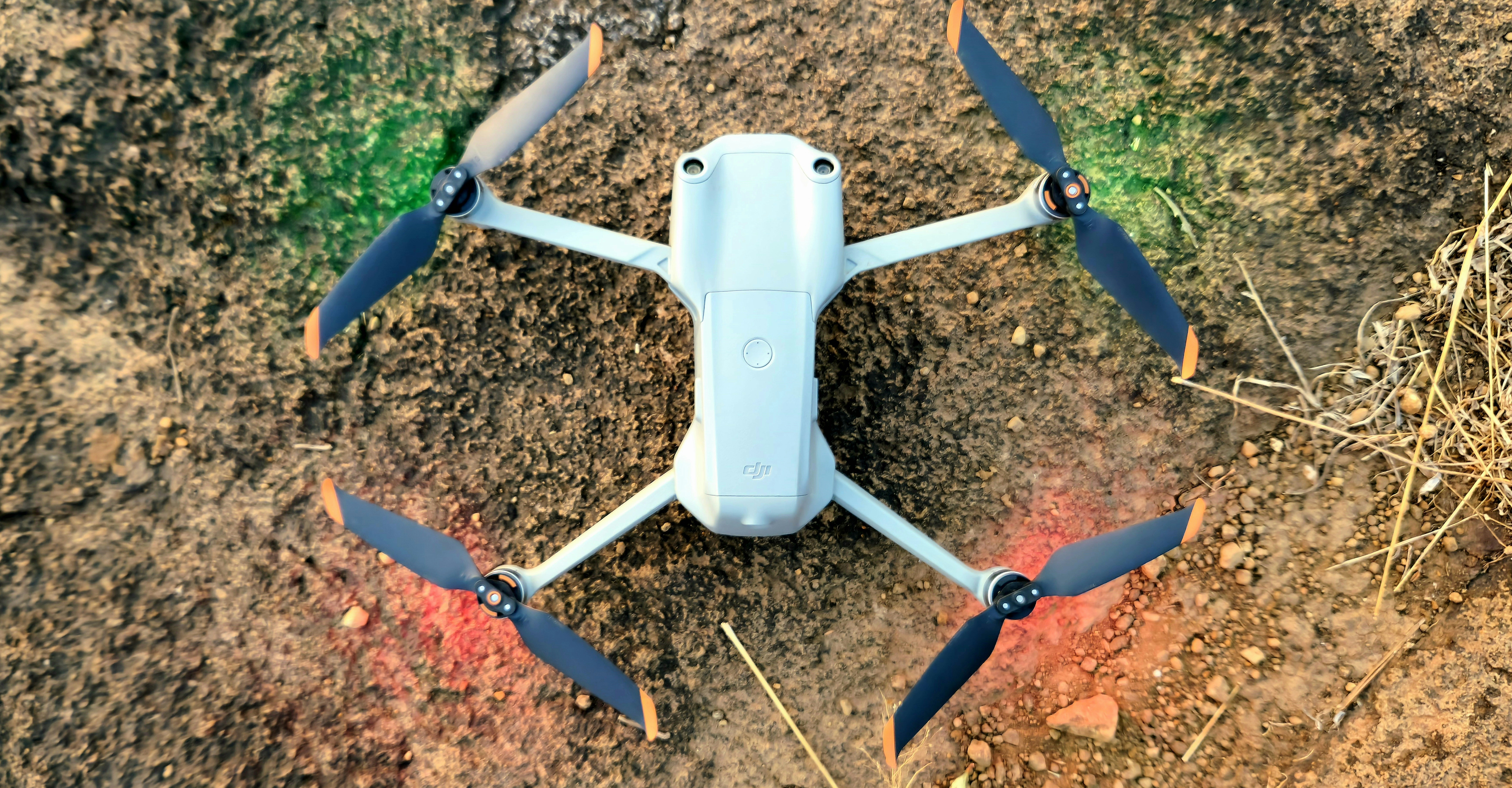
SkyOps herättää kiinnostuksen droonien maailmaan yhdistämällä tekniikan, analytiikan ja sovellukset. Kurssi on tarkoitettu AMK-tasolla opiskeleville, jotka eivät vielä ole drooniammattilaisia, mutta joilla on perusosaaminen teknisestä ajattelusta. Kurssin jälkeen opiskelijat ovat valmiita siirtymään jatkokurssiin, jossa pureudutaan droonien soveltamiseen käytännössä.
Oppimistavoitteet:
Kurssin jälkeen opiskelija:
Kurssi muodostuu kolmesta moduulista:
Moduuli 1 (1op): Droonin rakenne, perusfysiikka ja käyttökohteet
Moduuli 2 (2 op): Navigointi, automaatio ja sääntely
Moduuli 3 (2op): Droonitiedon keruu ja analyysi
Kurssi arvioidaan asteikolla 0-5. Kurssin arviointikriteereinä ja menetelminä käytetään verkkotenttiä ja soveltavia tehtäviä (moduuli 1), reittisimulaatiota ja riskiarviointia (moduuli 2) sekä data-analyysiä ja loppuesitystä (moduuli 3).
Suositellut esitiedot kurssille:
Kurssi ei vaadi fyysistä droonilentoa, vaan perustuu simulaatioon ja tekoälyn tukemaan analytiikkaan. Kurssin voi suorittaa kokonaan etäopiskeluna.

Drooniteknologian perusteet ja periaatteet -opintojakso (1 op) tarjoaa jäsennellyn ja teknispainotteisen johdatuksen drooniteknologiaan ja sen sovelluksiin. Opintojaksolla edetään miehittämättömän ilmailun varhaisvaiheista nykyaikaisiin, useilla antureilla varustettuihin droonijärjestelmiin, joita voidaan hyödyntää ympäristön kartoittamiseen, tarkastamiseen ja seurantaan.
Opintojakson moduuleissa perehdyt erilaisiin droonityyppeihin, niiden rakenteeseen, keskeisiin osiin ja ohjausjärjestelmiin sekä lennon suunnittelun ja navigoinnin perusteisiin. Lisäksi tutustut eurooppalaiseen sääntelyyn ja turvallisuusvaatimuksiin erityisesti tekniikan alan tavanomaisissa käyttökohteissa. Opit myös, kuinka drooneilla kerättyä aineistoa jalostetaan hyödylliseksi tiedoksi esimerkiksi infrastruktuurin tarkastuksessa, maataloudessa ja ympäristön seurannassa.
Opintojakson suoritettuasi osaat arvioida suunnitellun droonitehtävän teknistä toteutettavuutta sekä sitä, kuinka tehtävä voidaan toteuttaa turvallisesti, lainmukaisesti ja vastuullisesti.

Digivisio 2030 hankkeen digipedagogiikkaan painottuva koulutuspaketti Arviointi, Koulutuspaketti tulee sisältämään elementtejä yksilölliseen oppimiseen, tiimioppimiseen ja kollegiaaliseen oppimiseen sekä innovatiiviseen kumppanuuteen. Oppimisen integrointi erilaisiin uusiin työtehtäviin ja haasteisiin, projekteihin ja kehitysryhmiin on suositeltavaa. Koulutuksissa tulee olla soveltuvia osia sekä aloittelijoille että edistyneille opettajille ja tukipalveluiden asiantuntijoille.


Elämänkulun tukeminen sosionomin työssä ja ammatillinen englanti
(SX00EP03)

Tutustu kolmeen konserttiin ja tee konserttikäynteihin liittyvät tehtävät Moodlessa. Opintojakso auttaa sinua saamaan enemmän irti konserttikokemuksesta ohjatun reflektion avulla.

Arviointi on hyväksytty/hylätty. Jokaisessa osiossa on kysymyksiä, joihin tulee vastata oikein.


The Moodle course is conducted in English and can be completed independently within the course period, without being tied to a specific time or place. The course consists of materials shared in Moodle (articles, lecture slides, recorded lectures, and other online resources), Moodle assignments, and exercises. All materials, as well as the assignments and exercises to be assessed, are completed and submitted in the Moodle workspace.
Leaning outcomes
-The student understands the need for energy storage in the green transition.
-The student is familiar with the most common technologies used for energy storage.
-The student is able to select and size the appropriate energy storage for different applications.
-The student is able to assess the economic viability of energy storage.
-The student understands the factors affecting the safety of energy storage.
Content
-Changes in the energy system and the need for energy storage
-Electrical energy storage technologies
-Heat energy storage technologies
-Hydrogen and synthetic fuels
-Security of energy storage
-Economic viability of energy storage

The Moodle course is conducted in English and can be completed independently within the course period, without being tied to a specific time or place. The course consists of materials shared in Moodle (articles, lecture slides, recorded lectures, and other online resources), Moodle assignments, and exercises. All materials, as well as the assignments and exercises to be assessed, are completed and submitted in the Moodle workspace.
Leaning outcomes
-The student understands the need for energy storage in the green transition.
-The student is familiar with the most common technologies used for energy storage.
-The student is able to select and size the appropriate energy storage for different applications.
-The student is able to assess the economic viability of energy storage.
-The student understands the factors affecting the safety of energy storage.
Content
-Changes in the energy system and the need for energy storage
-Electrical energy storage technologies
-Heat energy storage technologies
-Hydrogen and synthetic fuels
-Security of energy storage
-Economic viability of energy storage
Welcome to the course! Course language level is B2.
Welcome to the course! Course language level is B2.
*********************************************************
TT00FO74-3031
TT00FO74-3036
TT00FO74-3038
Access to the course requires that you have been enrolled in one of the implementations listed above, and you must be logged in to Moodle using your Metropolia user account (not Haka).
Ensiapu ja yleinen turvallisuus -opintojakso
Opintojakson laajuus on 2 opintopistettä. Yksi opintopiste tarkoittaa 27 tuntia opiskelijan työtä eli tämän opintojakson työmäärä on 54 tuntia. Opiskelijalla on kaksi kuukautta (2 kk) aikaa suorittaa opintojakso siitä päivästä laskettuna, kun hän on ensimmäisen kerran kirjautunut Moodleen.
Opiskelijan tulee itse aktiivisesti seurata Moodlesta kunkin oppimistehtävän arviointitilannetta eli onko tehtävä hyväksytty vai vaatiiko tehtävä täydentämistä ennen ko. tehtävän hyväksymistä.
Opintojakson tavoitteet ovat:
Opintojakson opiskelu toteutuu oppimistehtävien avulla, joiden aiheena ovat:
Tämän opintojakson sisältöön - opettajan laatimat diasarjat, tehtävät ja materiaalit - on niiden tekijöillä tekijänoikeus, joten tällaisen tekijänoikeuslain (404/61) mukaisen materiaalin kopioiminen kurssin ulkopuolelle ja esim. käyttäminen muissa yhteyksissä tai edelleen jakaminen on kiellettyä.
Tämän opintojakson MATERIAALI on siis tarkoitettu käytettäväksi vain tämän opintojakson yhteydessä. Tehtäviä ja materiaaleja ei saa käyttää muuten kuin omissa opinnoissaan.
Opettaja: Päivi Eskola (paivi.eskola@metropolia.fi)
Tervetuloa Ensihoidon erityisosaaminen - opintojakson työtilaan!